
Introduction
If you have a love for the vast ocean, ships and boats are what connect us to it. From the earliest sailing vessels to today’s towering container ships, watercraft have always been at the core of maritime progress. But what gives these vessels their ability to safely float and travel great distances over water while carrying people and cargo? The key lies in a well-built hull.
In this article, we’ll explore the primary function of a vessel’s hull. At Mets, we regularly work with marine professionals and vessel owners and have found one universal truth—whether old or new, a ship’s hull must be designed and constructed with care. It plays a crucial role in safety, efficiency, and protecting your maritime investment.
What Is the Hull of a Vessel?
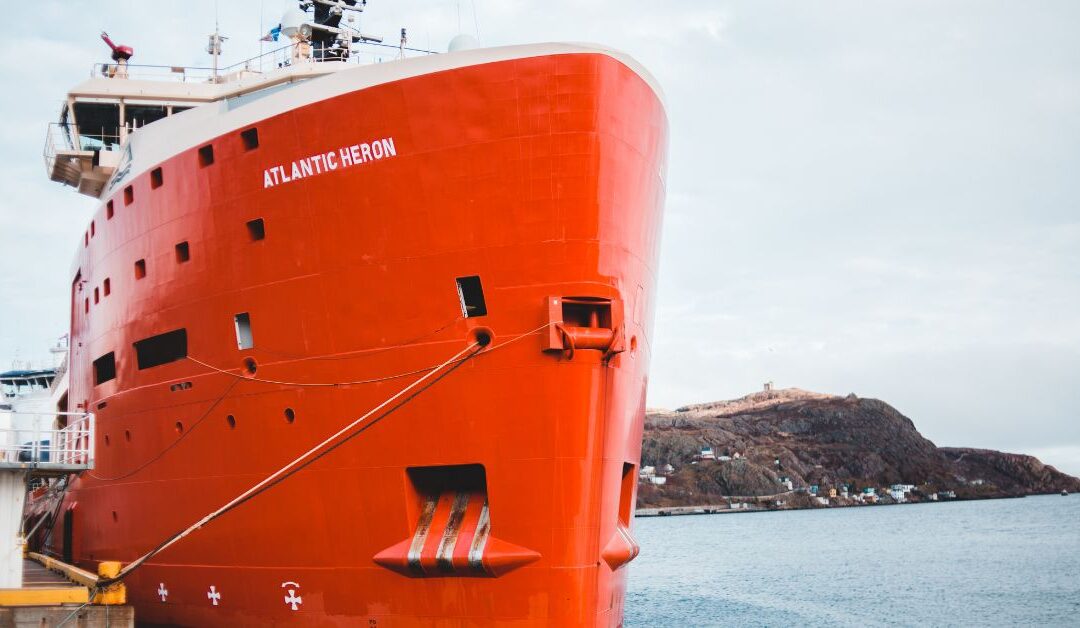
Before discussing what a hull is meant to do, it’s helpful to define it. The hull is the waterproof part of a ship or boat that forms its main body. It stretches from the keel at the bottom up to the deck at the top. It doesn’t include the ship’s mast, bridge, or engine—just the main shell and framework.
On most vessels, the hull lies between the keel (the lowest internal part) and the deck, and its shape determines how the ship looks and moves in water. It’s the part of the ship that’s always in contact with the sea.
Key components of a hull include:
- Keel: The main structural base that runs down the center of the hull’s bottom.
- Bow: The front part of the hull that usually curves inward.
- Stern: The rear end of the vessel.
- Deck: The top horizontal surface that covers the hull.
- Frames & Bulkheads: Internal supports that give the hull its shape and strength.
Hull materials have changed over time. While wood was once standard, most modern hulls are made from steel, aluminum, fiberglass, or advanced composites. Each material has its pros and cons regarding weight, strength, and resistance to weather and sea conditions.
The Primary Function of the Hull
As mentioned earlier, the main job of the hull is to keep a vessel buoyant and steady. But that role includes several specific and connected functions:
1. Buoyancy
Buoyancy is what allows objects to float in water. A ship’s hull is engineered to push aside—or displace—enough water to support its own weight. The hull’s shape and size determine how much water it displaces, which affects how well the vessel stays afloat.
This principle is based on Archimedes’ Law, which says a submerged object feels an upward push equal to the weight of the fluid it displaces.
If the hull isn’t well designed, the ship could become unstable, capsize, or even sink.
2. Stability
Stability means a vessel stays upright and doesn’t tip or roll easily in waves. The hull contributes to this by helping the ship maintain a low center of gravity and a balanced base.
Fishing boats and passenger ferries usually have wider hulls to stay stable. Racing yachts use deeper keels to manage both speed and balance.
At Mets, we often help clients who are updating or modifying hulls to improve how stable their vessels are.
3. Hydrodynamics
Hydrodynamics describes how a ship’s hull moves through water. The shape of the hull affects how much resistance or drag it faces, which in turn influences speed and fuel use.
- Displacement Hulls: Push through the water without rising above it. Common in large cargo and cruise ships.
- Planing Hulls: Glide across the surface when moving fast. Found in speedboats and rescue craft.
A sleek hull with low drag reduces fuel use and extends range—important for both commercial and private ships.
4. Structural Strength
The hull acts as the vessel’s main structural support. It must be able to handle the constant pressure of waves, hits from floating debris, and the weight of equipment, cargo, and people on board.
Today’s hulls are tested using advanced analysis methods to ensure they can perform for years under demanding conditions.
At Mets, we serve marine sectors like coastal shipping, where a strong hull is vital for uptime and safety.
5. Protection
Another key job of the hull is to shield the inside of the vessel from water damage. It helps prevent leaks, rust, and physical damage. Double-hull designs, especially in tankers, offer extra protection in case of an accident.
Types of Hulls and Their Functions
Different hull types are built for different conditions and uses. Some common types include:
1. Monohull
A single-hull design. Simple and efficient. Found in most boats and ships.
2. Catamaran (Multihull)
Two hulls connected by a frame or deck. Offers better balance and faster speeds. Common in ferries and fast crafts.
3. Displacement vs. Planing Hulls
- Displacement Hulls: Stay mostly underwater, moving slowly but efficiently. Best for long trips.
- Planing Hulls: Rise up and skim the water at high speeds. Used in patrol and military vessels.
Each hull serves a different purpose. At Mets, we assist clients looking to refit older boats with hulls that match their updated needs.
Also Read: – Common Ship Hull Problems and How to Fix Them
Hull Maintenance: Why It Matters
Even a perfectly designed hull will wear over time. Constant contact with saltwater, shifts in temperature, and buildup of marine life can damage its performance.
Routine hull care includes:
- Cleaning: Removing barnacles and algae to reduce drag.
- Protective Coatings: Anti-fouling paint to fight corrosion and growth.
- Ultrasound Inspections: Used to detect hidden cracks or weak spots.
- Dry Docking: Full visual inspections and maintenance while the ship is out of the water.
Skipping maintenance raises fuel costs, lowers performance, and increases safety risks.
That’s why Mets offers professional inspections and retrofits to help extend the life of your hull and keep it up to global standards.
Innovations in Hull Design
Marine design is evolving quickly. Modern hull technologies are being developed to improve performance and minimize environmental impact.
Examples of recent innovations:
- Smart Hulls: Built-in sensors for real-time condition monitoring.
- Composites: Carbon fiber or fiberglass for lighter, longer-lasting builds.
- Bio-Mimicry: Designs inspired by fish or sharks to reduce drag.
- Eco-Friendly Paints: Green coatings that reduce marine harm and meet new regulations.
At Mets, we follow these trends closely and help our clients benefit from the latest marine technologies.
Business Relevance: Who Should Care About Hull Function?
Hull design matters for more than just shipbuilders. It’s crucial for:
- Fleet Operators: For safety and cost control.
- Marine Engineers: For effective design and upkeep.
- Investors in Maritime Logistics: For assessing long-term value.
- Students & Educators: For understanding marine systems.
- Startups in Shipping: For designing sustainable vessels.
For example, if a shipping company wants to expand into coastal trade, a hull suited for shallow, busy ports can mean faster delivery times and better profits.
Also Read: – Types of Hull Corrosion and Prevention
Conclusion
The hull isn’t just the outer layer of a ship—it’s what makes the entire vessel work. Whether it’s keeping the boat floating, stable, protected, or fuel-efficient, the hull is at the center of it all.
If you’re in any marine-related field, knowing how a hull functions gives you an edge in making smart decisions.
At Mets, we believe every vessel has a unique purpose. And it all begins with the hull.
Frequently Asked Questions
1. Why is the hull so important to a ship’s design?
The hull is the core structure that allows a ship to float, move efficiently, and remain stable in the water. Without a properly designed hull, a vessel can’t perform safely or economically. It supports everything from crew quarters to cargo weight and protects the vessel from external elements.
2. What’s the difference between a monohull and a multihull?
A monohull has a single hull and is the most common design for ships. It’s simple and cost-effective. A multihull (like a catamaran) has two or more hulls, offering better stability and speed, often used for ferries and modern high-speed boats.
3. How often should a vessel’s hull be inspected?
Hull inspection frequency depends on usage, environment, and vessel type. However, most commercial vessels undergo inspection every 12 to 24 months, including dry dock assessments. Mets offers specialized hull inspections to ensure compliance with maritime safety standards.
4. What are anti-fouling coatings and why are they necessary?
Anti-fouling coatings are special paints applied to the hull to prevent marine growth like algae, barnacles, and mussels. These coatings help reduce drag, improve fuel efficiency, and extend the vessel’s lifespan.
5. Can an old hull be retrofitted or upgraded?
Yes, many older vessels can be retrofitted with modern materials, coatings, or even reshaped sections to meet current performance or safety requirements. At Mets, we frequently assist shipowners with hull upgrades tailored to new operational needs.